Neighborhood Market Habits

How a Neighborhood Market Tradition Brought Biblical drink (oil)/ Honey blend Into Everyday Kitchen Routines

Long before it had a name on any store shelf, Biblical drink (oil)/ Honey blend was simply something families picked up at the local market and folded into ordinary meals — a small habit passed down more than a product sold.

Everyday Nutrition  ·  Daily Habits  ·  Educational Content  ·  Everyday Nutrition  ·  Daily Habits  ·  Educational Content

The Rhythm of a Day Spent Watching What You Eat

For many adults keeping an eye on their eating habits, the day doesn’t start with a number — it starts with breakfast, a commute, and a long list of small food decisions repeated again and again.

The Midday Energy Dip

That familiar heaviness after lunch, when the afternoon suddenly feels harder to get through — a pattern many people notice but rarely talk about.

Mornings That Start Heavy

Waking up already tired, before the day has even asked anything of you, is a routine complaint that rarely gets a simple explanation.

The Constant Guessing Game

Deciding what belongs on the plate, meal after meal, can feel like an open question with no clear answer — especially with so much conflicting advice around.

The Weight of Every Decision

Three meals a day means three sets of choices, and over weeks that adds up to a quiet kind of mental fatigue that's easy to underestimate.

Kitchen Talk: Separating Myth From Fact

Around the market stalls and family tables, a few ideas about carbohydrates, fruit, and so-called ‘diabetic food’ keep resurfacing. Here’s a closer, sober look at each.

MYTH

All carbohydrates are the enemy of a balanced plate.

FACT

Carbohydrates are one part of a varied plate; how a meal is put together, paced, and followed by daily habits matters as much as any single food group.

MYTH

Fruit should be avoided entirely because it’s ‘basically sugar’.

FACT

Whole fruit comes with fiber and water that set it apart from refined sweets, and many people include it as part of an everyday, varied way of eating.

MYTH

There’s a special category of ‘diabetic food’ that solves everything.

FACT

There is no single food or product that manages blood sugar on its own — everyday meals, routine, and guidance from a treating physician remain the foundation.

A Simple Rhythm for the Plate

These are everyday habits, not medical instructions — any change to diet or routine is worth discussing first with the doctor who follows your care.

01

Start With What's Green

Vegetables first, before the rest of the plate — an old habit at many market-based tables, giving the meal a slower, steadier start.

02

Let the Meal Breathe

Eating without rushing, chewing slowly, taking pauses between bites — a rhythm more than a rule, borrowed from unhurried family dinners.

03

Move a Little Afterward

A short walk to the corner store or around the block after eating is a small habit many neighborhoods have kept for generations.

From the Market Stall to the Kitchen Table

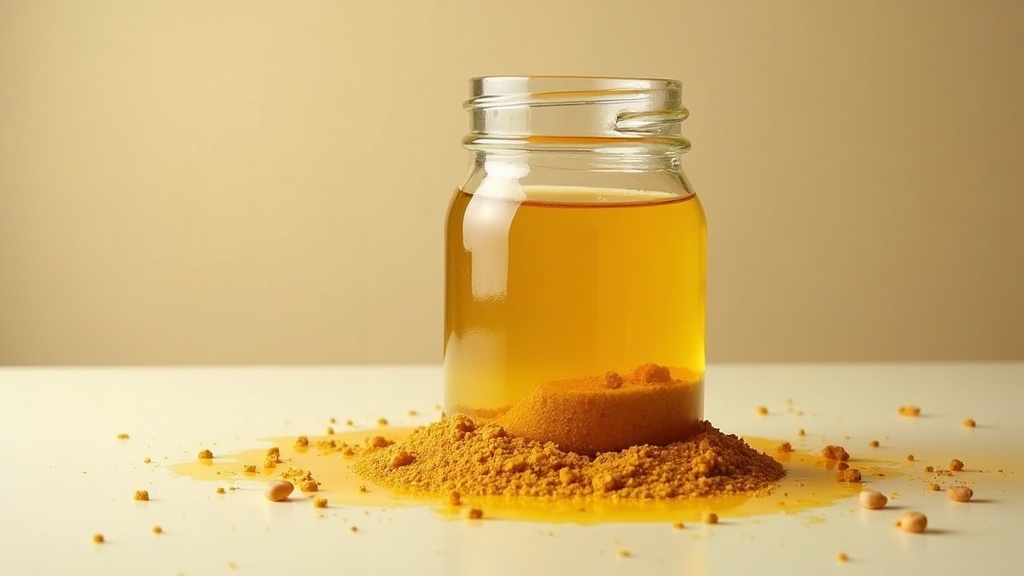
Long before it had any kind of packaging, the pairing behind Biblical drink (oil)/ Honey blend was simply olive oil and honey, kept side by side in many Mediterranean and Middle Eastern kitchens. Old texts and family recollections describe it drizzled over warm bread, stirred into a cup in the morning, or offered as a small gift between neighbors at gatherings. At the neighborhood market, it wasn’t sold as a solution to anything — it was just part of the weekly shopping list, alongside greens, grains, and fruit, folded into simple recipes handed from one generation of home cooks to the next.

Its place in the kitchen has always been about tradition, culture, and taste — a pairing passed down through generations of home cooks, not a formula measured in a lab.

Everyday Moments Worth Mentioning to Your Doctor

Energy That Swings More Than Usual

If afternoons feel unpredictable in a way that disrupts your day, it's worth bringing up at your next appointment with the professional who follows your care.

Meals That Feel Harder to Plan

When deciding what to eat starts to feel overwhelming or confusing, a conversation with your healthcare provider can help you find a workable approach.

Changes in Appetite You Can't Explain

Noticeable shifts in hunger or fullness are worth describing to your doctor rather than guessing about on your own.

Sleep That Doesn't Feel Restful

If mornings consistently feel heavy despite a full night's sleep, mention it to the physician managing your care.

Questions About Your Current Routine

Before adjusting any meal plan, medication, or daily habit, check in with your treating doctor first — never change a prescribed routine on your own.

New Symptoms of Any Kind

Anything new or unusual — however small it seems — deserves a conversation with a healthcare professional, not a home guess.

Stories About Everyday Routines

Shopping at the same neighborhood market every week helped me build a rhythm around meals I actually look forward to.

Marisol T.
Illustrative account
Slowing down at dinner and taking a short walk afterward became a habit that fits naturally into my evenings.
Harold B.
Illustrative account
Planning my plate the night before takes a lot of the guesswork out of busy mornings.
Priya D.
Illustrative account

These are individual experiences shared for illustrative purposes only. They do not represent typical results, and they are not a substitute for professional medical advice. Always consult your doctor before changing your diet, routine, or any prescribed treatment.

Curious About the Tradition Behind Biblical drink (oil)/ Honey blend?

Explore the story, the market habits, and the everyday routines that surround it — and remember to keep your own doctor part of every decision about your care, without changing any prescribed treatment on your own.

Advertising Disclosure: This is sponsored content created for informational and educational purposes. This page may contain affiliate links, and we may receive compensation if you click a link or make a purchase through the links provided. This does not affect the price you pay.

Content Disclaimer: This content is for educational purposes only and has not been evaluated by the FDA. It is not intended to diagnose, treat, cure, or prevent any disease, and it does not substitute professional medical advice, diagnosis, or treatment. Always consult a qualified healthcare professional before changing your diet, routine, or any prescribed treatment.

Results Disclaimer: Individual results and experiences vary. Testimonials and stories shared on this page reflect personal opinions and are not a guarantee of any particular outcome.

© 2026 keystonetaxwork.com · All Rights Reserved